





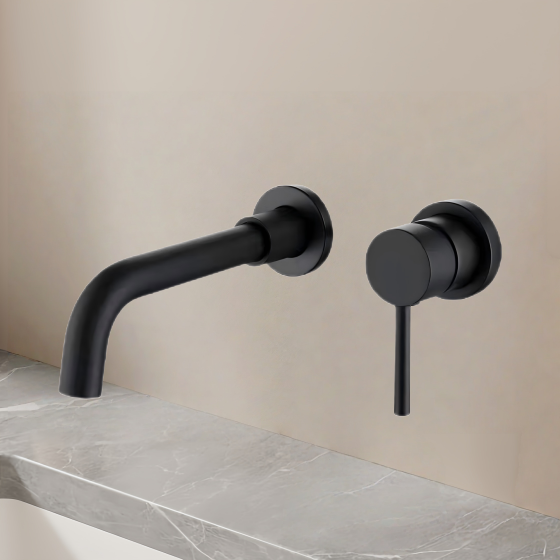
Tired of your “stainless” towel bar rusting faster than your patience on Monday mornings? One steamy shower and suddenly everything in your bathroom looks like it survived a pirate ship wreck.
To stop the rust drama, choose corrosion-resistant materials like stainless steel 304/316, brass, or anodized aluminum, and check humidity ratings. Research shows proper material selection hugely improves durability (U.S. Corrosion Cost Report).
🛁 Understanding Corrosion: Why Bathroom Accessories Rust and Pit Over Time
Bathroom metal faces warm water, steam, and cleaners every day. Over time, these attacks break protective layers, causing rust, stains, and pitting on hardware.
By knowing what drives corrosion, you can choose better materials, plan your layout wisely, and set up habits that keep your bathroom looking new for years.
1. How Moisture and Oxygen Start Rust
Rust forms when water and oxygen react with iron in metal. Constant steam, splashes, and condensation speed up this process on exposed bathroom fittings.
- Standing water on shelves or rails
- Leaky taps and shower heads
- Poor ventilation after hot showers
2. Role of Cleaners, Soaps, and Salts
Harsh chemicals and salt in the air or water can eat protective coatings faster, leaving bare metal that rusts and pits quickly in damp spaces.
- Bleach and strong acid cleaners
- Body wash and shampoo residue
- Sea air in coastal homes
3. Hidden Weak Points: Joints, Screws, and Coatings
Edges, welds, and screw holes often have thinner coatings. These weak spots trap moisture, so corrosion usually starts there and then spreads outward.
| Area | Typical Issue |
|---|---|
| Screw holes | Coating damage during drilling |
| Welds | Uneven surface holds water |
| Corners | Cleaning often missed |
4. Daily Use Damage
Scratches from rings, rough scrubbing pads, and repeated knocks remove finish and open metal to air and water, starting slow but steady corrosion.
- Use soft cloths, not steel wool
- Avoid dropping heavy bottles on racks
- Wipe instead of scraping limescale
🔧 Materials Matter: Comparing Stainless Steel, Aluminum, Brass, and Plastic
Not all bathroom materials resist corrosion the same way. Understanding each type helps you plan accessories that last longer and stay clean-looking.
Smart material choices lower replacement costs, cut cleaning time, and reduce the risk of leaks from failed taps, hoses, and shower systems.
1. Stainless Steel Performance
Quality stainless steel forms a thin, invisible film that protects against rust. Higher grades handle steam, soap, and cleaners better than low-cost copies.
| Grade | Corrosion Resistance | Typical Use |
|---|---|---|
| 201 | Low–medium | Budget racks |
| 304 | High | Premium accessories |
| 316 | Very high | Coastal homes |
2. Aluminum: Light but Reactive
Aluminum is light and does not rust, but it can corrode and pit if coatings wear off, especially near salt or strong alkaline cleaners.
- Choose anodized or powder-coated aluminum
- Avoid strong abrasive pads
- Rinse after using harsh cleaners
3. Brass and Plated Finishes
Brass resists corrosion well and offers strong durability. However, thin chrome or color plating can wear down, exposing brass or base metals beneath.
- Look for thick, even plating
- Use mild, pH-balanced cleaners
- Avoid repeated polishing with rough cloths
4. Plastics and Composites
Plastics do not rust, but UV light, heat, and cleaners can weaken them. Strong designs and quality resins improve life in busy bathrooms.
| Material | Rust Risk | Weak Point |
|---|---|---|
| ABS plastic | None | Cracking under impact |
| Composite | None | Deformation under heat |
💧 Moisture Control: Ventilation, Layout, and Habits that Reduce Corrosion
Moisture is the main driver of corrosion. Control steam, splashes, and standing water to protect finishes and seals on your bathroom hardware.
Good design and small daily habits lower humidity, reduce limescale, and keep fittings bright without intense scrubbing or harsh products.
1. Strengthen Ventilation
Use an exhaust fan during and after showers, and open windows when possible so humid air leaves before it condenses on metal.
- Run fans 15–20 minutes after bathing
- Clean fan covers every few months
- Leave doors slightly open to improve flow
2. Smarter Accessory Layout
Place racks, hooks, and shelves where water drains easily. Avoid tight corners or directly under shower heads where spray hits hardest.
| Item | Better Position |
|---|---|
| Towel bar | Outside direct shower zone |
| Toothbrush holder | Above basin splash line |
| Storage rack | High enough for fast drying |
3. Daily Drying Habits
Quick wipes after use break the cycle of standing water and soap film, which are key triggers for rust, stains, and mold.
- Wipe screens and metal with a soft towel
- Hang towels open, not bunched
- Empty and dry soap dishes often
🧽 Care Routines: Cleaning Methods that Protect Finishes and Prevent Rust
Right cleaning methods remove film and limescale without scratching finishes. This keeps protective layers strong and delays any sign of corrosion.
Use gentle, frequent cleaning instead of rare but harsh scrubbing. The surface stays smooth, water beads off, and dirt cannot grip as easily.
1. Gentle, Regular Cleaning
Clean once or twice a week with mild soap or neutral cleaner. Soft cloths or sponges lift dirt without cutting into coatings.
- Use warm water plus mild detergent
- Rinse well to remove cleaner film
- Dry with microfiber for shine
2. Avoid Harsh Tools and Chemicals
Skip steel wool, wire brushes, and strong acids. They create tiny scratches and pits that trap water and start early rust spots.
| Avoid | Use Instead |
|---|---|
| Steel wool pads | Soft sponge |
| Pure bleach | Diluted neutral cleaner |
| Strong acid descaler | Mild limescale remover |
3. Protecting Special Finishes
Brushed, matte, or colored finishes need mild care. Wipe along the grain, avoid wax buildup, and rinse away shampoo and soap quickly.
- Test new cleaners on a hidden area
- Follow maker’s care guide
- Dry dark finishes to avoid water marks
🏠 Choosing New Accessories: Why Wenhai Home Prioritizes Corrosion Resistance and Durability
When you upgrade bathroom hardware, focus on tested materials, strong coatings, and designs that drain fast and clean easily.
Wenhai Home designs products with sturdy structures, quality finishes, and smart details that lower rust risk while boosting comfort and style.
1. Material and Finish Standards
Wenhai Home uses high-grade metals and careful surface treatments, helping each piece handle steam, splashes, and daily cleaning without early damage.
- Corrosion-tested coatings
- Precise machining on joints
- Designs that avoid water traps
2. Product Examples for Wet Areas
From storage to taps and showers, Wenhai selects materials and valves that stand up to long-term moisture and chemical exposure in real homes.
- Wall-Mounted Spice Rack, No-Drill, Space-Saving, Carbon Steel, Kitchen doubles as a rust-resistant organizer in utility or bathroom zones.
- Bathroom basin taps, gun gray, ceramic chip valve core, support OEM/ODM pair stable valve cores with durable finishes for long life.
- All-in-One Digital Constant Temperature Shower Combo with Simplified Piano Key - HS-1805 uses advanced control and coated metal to handle heavy use.
3. Long-Term Value and Support
By focusing on corrosion resistance, Wenhai Home helps cut lifetime costs, reduce downtime, and support stable performance for both homes and commercial projects.
| Benefit | Impact |
|---|---|
| Fewer replacements | Lower total cost |
| Stable looks | Better user satisfaction |
| Reliable function | Less leak and repair risk |
Conclusion
Corrosion-resistant bathroom accessories depend on the right materials, smart layout, moisture control, and gentle care. Small daily steps protect surfaces and slow wear.
By choosing well-designed products and following simple routines, you extend hardware life, maintain a clean look, and avoid sudden failures or costly early replacements.
Frequently Asked Questions about bathroom hardware industry
1. Which bathroom accessory material lasts the longest?
High-grade stainless steel, such as 304 or 316, usually offers the best balance of strength, corrosion resistance, and easy cleaning in wet bathroom environments.
2. How often should I replace bathroom hardware?
With quality materials and good care, many accessories can last 8–15 years. Replace items earlier if you see deep pitting, leaks, or coating peeling.
3. Is zinc alloy good for bathroom fittings?
Zinc alloy can be fine for light-duty parts if the plating is thick and even. However, it often corrodes faster than stainless steel or solid brass.
4. Do matte black finishes rust faster?
Matte black itself does not rust. Corrosion risk depends on the base metal and coating quality. Keep the surface clean and avoid harsh scrubbing.
5. What should hotels and projects focus on when buying hardware?
Projects should prioritize corrosion-tested materials, strong warranties, easy-clean designs, and stable supply from trusted makers who understand heavy, long-term use conditions.
 Privacy settings