





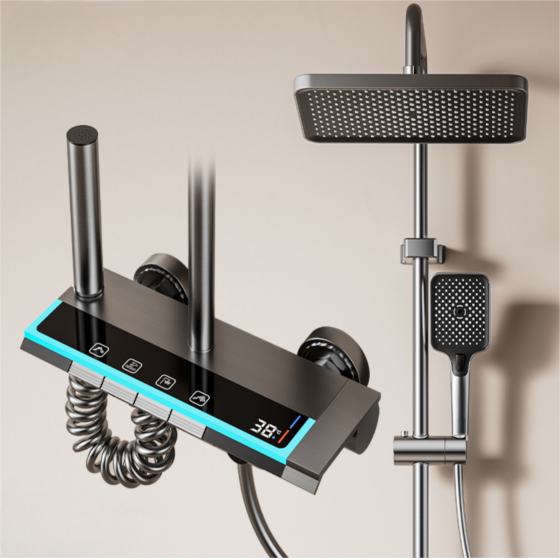
You dream of a spa-like rain shower, but instead you’re trapped under a sputtering drip that feels like a leaky kitchen tap auditioning for a horror movie. Global catalogs, odd specs, and confusing jargon only make the “shower upgrade” saga worse.
This guide shows you how to choose the right rain shower size, pressure, and certifications for your country, using clear steps and real standards—backed by resources like the U.S. EPA WaterSense showerhead report—so your next shower finally feels like real rain.
🚿 Understanding Bathroom Rain Showers: Types, Sizes, and Design Styles
Bathroom rain showers create a spa-like feel while staying practical for daily use. Global buyers can match head size, style, and finish to different markets.
From slim modern panels to bold ceiling heads, you can tailor coverage, comfort, and price to projects such as homes, hotels, and rental properties.
1. Main Types of Rain Showers
Common options include fixed overhead heads, combo sets with hand showers, and full systems with valves and spouts for complete bathroom upgrades.
- Wall-mounted or ceiling-mounted rain heads
- Exposed or concealed pipe systems
- Multi-function sets with hand shower
- Thermostatic or manual mixers
2. Popular Sizes and Coverage
Standard diameters range from 8–16 inches. Larger heads give softer, full-body coverage but need stronger water pressure and careful flow control.
| Size | Best Use |
|---|---|
| 8–10 inch | Small homes, B&Bs |
| 10–12 inch | Most family bathrooms |
| 12–16 inch | Luxury suites, spas |
3. Design Styles and Finishes
Modern bathrooms favor clean lines and slim profiles. Finishes like chrome, matte black, and brushed gold support different regional style trends and price levels.
- Round heads for soft, classic look
- Square heads for modern, sharp style
- Brushed finishes to hide fingerprints
4. Example Complete Shower Solutions
Project buyers often choose full systems to simplify sourcing and quality control for cross-border shipments and multi-unit builds.
- Shower system, 3-mode, space aluminum, bathroom for light, durable installations
- Brushed Gold Shower Set, Concealed Rain System, Faucet Included, Bathroom for premium projects
- High-pressure shower head, 4 mode, hotel/B & B, HS-1803 for hospitality upgrades
💧 Key Water Pressure and Flow Rate Considerations for Rain Showers
Rain showers need the right balance of pressure and flow. Too low feels weak, while too high can waste water and break local rules.
Before placing bulk orders, check pressure ranges, flow restrictors, and cartridge types so products fit your target country’s plumbing conditions.
1. Ideal Pressure Ranges
Most rain showers work best between 1.5–5 bar. Below this, coverage drops. Above this, you should add control valves or restrictors.
| Pressure (bar) | Performance |
|---|---|
| <1.5 | Weak spray, not ideal |
| 1.5–3 | Comfortable for homes |
| 3–5 | Great for hotels, multi-modes |
2. Flow Rate and Eco Rules
Many markets limit shower flow to 6–9 L/min. Buyers should confirm local rules and choose aerated or low-flow models when needed.
- Use built-in flow restrictors
- Offer “eco” modes for tenders
- Highlight water-saving in product pages
3. Sample Flow Comparison (ECharts)
The chart below compares typical flow rates by shower type, useful when planning product mixes for different regions.
4. Matching Products to On-Site Pressure
Ask clients for real pressure data. Suggest booster pumps or smaller heads for low-pressure homes, and thermostatic mixers for high-pressure systems.
- Low pressure: compact, high-pressure heads
- Stable pressure: large rain heads
- Mixed pressure: adjustable modes
🌍 Regional Plumbing Standards and Installation Tips for Global Bathrooms
Each region uses different pipe sizes, threads, and codes. Correct matching reduces returns, leaks, and installation complaints from local plumbers.
1. Pipe Sizes and Thread Types
Most global markets use 1/2" connections, but threads and sealing methods still vary by country and installer habits.
| Region | Common Connection |
|---|---|
| EU | 1/2" BSP |
| US/Canada | 1/2" NPT |
| Middle East/Asia | Mostly 1/2" BSP |
2. Wall Depth and Concealed Sets
Concealed rain systems need enough wall depth. Provide clear minimum depth data so builders can plan niches and avoid later rework.
- Share valve body drawings
- Note minimum installation depth
- Specify waterproofing steps
3. Height and Position Guidelines
Mount rain heads 200–250 cm from the floor for most users. Keep them centered over the standing area to reduce splashing.
- Check user height range
- Align with drain position
- Test spray before tiling
🧼 Maintenance, Cleaning Routines, and Longevity of Rain Shower Systems
Good care keeps rain showers smooth and safe for years. Buyers can reduce warranty costs by sharing simple, clear care guides.
1. Routine Cleaning Steps
Regular light cleaning prevents limescale and staining, especially in hard-water regions and high-turnover properties like hotels.
- Wipe surfaces weekly with mild soap
- Avoid strong acids or abrasives
- Dry finishes to prevent spots
2. Descaling Nozzles and Cartridges
Silicone nozzles allow users to rub away scale. Yearly checks on cartridges and seals help stop drips and uneven spray.
| Task | Frequency |
|---|---|
| Nozzle rub/flush | Monthly |
| Cartridge check | 12–18 months |
| Seal replacement | Every 2–3 years |
3. Storage, Warranty, and Spare Parts
For importers, dry storage, full spare-part lists, and clear warranty terms lower risk and keep long-term customer trust.
- Keep units in dry, stable warehouses
- Stock key spare parts
- Record batch and model numbers
🏡 Choosing a Reliable Rain Shower Supplier: Why Wenhai Home Stands Out
Global buyers need stable quality, flexible customization, and on-time delivery. Wenhai Home focuses on OEM/ODM support for different project sizes.
1. Product Range and Custom Options
Wenhai offers full rain systems, hotel heads, and designer finishes, with support for branding, packaging, and market-specific features.
- Wide model coverage for home and hotel
- Logo and packaging customization
- Support for regional standards
2. Quality Control and Certifications
Strict testing and material checks help products meet the needs of EU, North American, and Middle Eastern importers.
| Process | Benefit |
|---|---|
| Pressure and leak tests | Lower failure rates |
| Finish inspection | Stable appearance |
| Function testing | Reliable modes and flow |
3. Service, Lead Times, and After-Sales
Clear communication, realistic lead times, and fast after-sales replies support long-term partnerships with distributors and project owners.
- Responsive export team
- Reasonable MOQs for trials
- Support documents for local installers
Conclusion
Bathroom rain showers combine comfort, style, and higher property value. For global buyers, success depends on matching design with local pressure, rules, and user needs.
By working with a stable supplier like Wenhai Home, you can build a clear, competitive product line that fits both retail and project markets.
Frequently Asked Questions about bathroom rain shower
1. Do rain showers use more water than normal shower heads?
Not always. Modern rain showers often include flow restrictors and aerators. When properly set, they can match or even beat standard heads on water use.
2. Can I use a rain shower in a low-pressure home?
Yes, but choose smaller or “high-pressure” heads and simple mixers. In very low-pressure homes, consider a booster pump or upgraded piping.
3. Are concealed rain shower systems hard to install?
They need more planning because valves go inside the wall. With correct drawings, depth data, and local plumbers, installation is still straightforward.
4. How high should I mount a rain shower head?
Most installers place the head 200–250 cm from the floor. Leave enough room above the tallest user for a comfortable vertical spray.
5. How often should I clean and descale my rain shower?
Light cleaning once a week and descaling the nozzles monthly works well for most homes, especially in areas with hard water.
 Privacy settings