





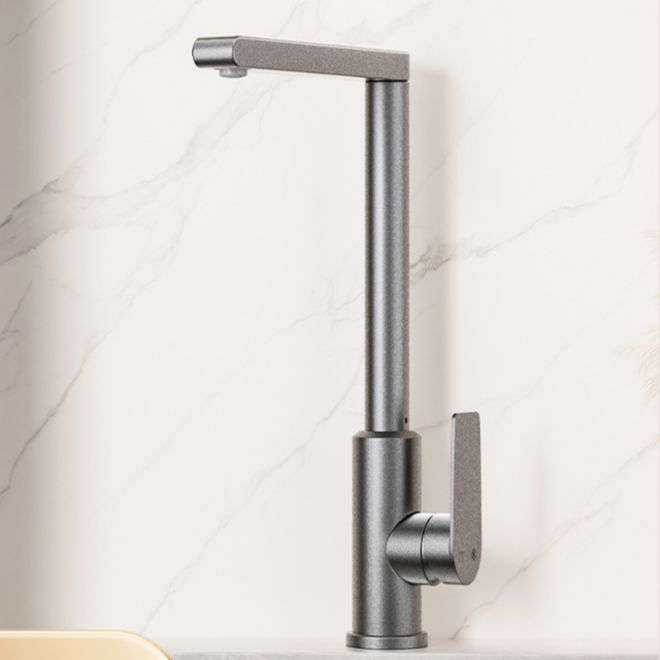
Ever tried to wash dishes while juggling hot-and-cold handles like a clumsy DJ? Choosing between single lever and dual handle taps can feel oddly dramatic for something that just moves water.
This guide compares both styles, comfort, and safety, backed by CDC scald-prevention research, so you can pick the tap that finally makes kitchen life easier.
💧 Single lever kitchen taps: how they work and main advantages
Single lever kitchen taps mix hot and cold water inside one cartridge. You lift and turn the lever to control both flow and temperature in one easy motion.
This simple design saves time, reduces clutter around the sink, and fits well with modern kitchens that need efficient, space‑saving fixtures.
1. Basic working principle
Inside a single lever tap, a ceramic cartridge blends hot and cold water. Moving the handle side to side changes temperature; lifting or lowering the handle changes flow.
- One motion for both temperature and flow
- Ceramic discs reduce leaks and drips
- Quick response when you adjust the lever
2. Everyday convenience in busy kitchens
Single lever taps are ideal when you cook and clean often. You can adjust water with one hand, even when the other hand holds pots, pans, or food.
- Fast control for rinsing vegetables
- Easy to turn on with elbows or wrist
- Great for families with kids or older users
3. Modern design and space saving
Most single lever taps have a simple, clean look that matches modern cabinets and countertops. They also use fewer holes in the sink or worktop.
- Streamlined body and handle
- More free counter space
- Works well with pull-out and pull-down sprays
4. Ideal product styles to consider
When comparing models, focus on spray options, finish, and rotation range. Look for features that fit your cooking style and daily cleaning tasks.
- Pull down kitchen faucet, digital temperature display 3 modes, 360° rotating hot and cold sink kitchen for precise control
- High arc spouts for filling deep pots
- Durable finishes that resist fingerprints
🚰 Dual handle taps: precise temperature control and traditional style benefits
Dual handle taps use two separate controls, one for hot and one for cold. You mix water at the spout, which gives fine temperature tuning for careful tasks.
This style suits classic kitchens, people who value precise adjustment, and homes where plumbing already supports two dedicated tap holes.
1. How dual handles manage temperature
Each handle opens a dedicated valve. You turn both handles until the mixed water feels right. This makes small changes in heat easy and predictable.
| Feature | Single Lever | Dual Handle |
|---|---|---|
| Temperature precision | Good | Very high |
| Learning curve | Very easy | Moderate |
| Traditional look | Medium | Strong |
2. Classic style and design flexibility
Dual handle taps match farmhouse, vintage, and transitional kitchens. Separate handles add visual detail and give you more options for shapes and finishes.
- Cross or lever handles for custom looks
- Polished, brushed, or matte finishes
- Pairs well with apron-front sinks
3. User preferences based on comfort and habit
Many people who grew up with dual handle taps enjoy the familiar feel. They like using one handle for heat and one for cool, with fine control.
- Easier to “set and forget” the hot level
- Good for people with fixed routines
- Can reduce accidental scalding when adjusted slowly
4. Data comparison: convenience vs. control
The chart below shows a simple comparison of user ratings for ease of use, style, and temperature accuracy between single lever and dual handle taps.
🔧 Installation differences between single lever and dual handle kitchen taps
Single lever taps often need one mounting hole, while dual handle taps usually use three. Planning ahead helps you avoid extra drilling or adaptors.
Always check your sink layout, countertop material, and current plumbing so you can choose a tap that fits without costly changes.
1. Mounting holes and sink compatibility
Most sinks are drilled with one, two, or three holes. Your tap must match these openings or use a deck plate to cover extras.
- Single lever: common for one-hole sinks
- Dual handle: best for three-hole sinks
- Deck plates help convert layouts
2. Plumbing and connection steps
Single lever taps use a mixing valve inside one body. Dual handle taps connect each handle to a separate hot or cold supply under the sink.
| Step | Single Lever | Dual Handle |
|---|---|---|
| Number of bodies | One | Three (two handles + spout) |
| Hose connections | Two main supply lines | Two lines plus internal links |
3. When to call a professional
If you move from single to dual handle or change the number of holes, a plumber can drill safely, seal joints, and test for leaks.
- Stone or quartz tops need special tools
- Old valves may need replacement
- Professional work often includes warranty
🌿 Water efficiency and maintenance tips for each tap type
Both single lever and dual handle taps can save water when used well. Look for aerators and smooth cartridges to cut waste and keep performance strong.
Simple cleaning and fast repairs extend tap life, protect finishes, and keep water quality high over many years of daily use.
1. Water-saving habits with single levers
Single levers make it simple to quickly reduce flow. You can set a moderate stream for most tasks and only use full power when needed.
- Close the lever during scrubbing
- Use aerated spray for rinsing dishes
- Adjust to lukewarm instead of hot
2. Efficient use of dual handle taps
With dual handles, you can open only the cold side for quick rinses. This avoids heating water when you do not need it.
| Task | Best Setting |
|---|---|
| Fast hand rinse | Cold handle only |
| Greasy pans | Balanced hot and cold |
| Vegetable wash | Cool to lukewarm mix |
3. Simple care to prevent leaks and limescale
Wipe taps dry after use and clean with mild soap. Check joints and cartridges if you notice drips, stiff handles, or lower water flow.
- Soak aerators in vinegar to clear scale
- Avoid harsh pads that scratch finish
- Replace worn seals before big leaks start
🏠 Choosing between single lever and dual handle taps with Wenhai Home
Think about your kitchen style, daily habits, and sink layout. Wenhai Home offers both tap types so you can match looks, comfort, and budget.
Focus on features like pull-out sprays, rotation range, and finish to find a tap that makes cooking and cleaning smoother every day.
1. When a single lever is the best choice
Pick a single lever if you want very easy control and a neat design. It is ideal for compact kitchens and busy households.
- Fast changes in temperature and flow
- Sleek look for modern spaces
- Works well with pull-out sprays
2. When a dual handle suits you better
Choose a dual handle if you prefer precise heat control and a classic style. It fits large sinks and more traditional kitchen designs.
- Better fine-tuning of hot and cold
- Strong visual detail around the sink
- Good match for heritage interiors
3. Wenhai Home tap options to explore
Wenhai Home provides many hot and cold tap options, from modern pull-out designs to stylish dual control models in different finishes.
- Kitchen Faucet, Swivel Splash-Proof, Hot & Cold Dual Control, Gunmetal Finish for a bold dual-control look
- Kitchen sink faucets,kitchen tap with pull out spray,matte black kitchen faucet with sprayer for flexible cleaning
- Multiple sizes to fit single or double bowls
Conclusion
Single lever taps offer fast, one-hand control and a clean modern look, while dual handle taps give precise temperature control and timeless style for classic kitchens.
By reviewing your sink layout, design tastes, and daily tasks, you can select a Wenhai Home tap that balances comfort, water savings, and long-term reliability.
Frequently Asked Questions about hot and cold taps kitchen
1. Are single lever taps better than dual handle taps?
Neither is strictly better. Single levers are easier and quicker to use, while dual handles offer finer temperature control and a more traditional appearance.
2. Do single lever taps save more water?
They can, because you change flow and temperature in one motion. However, real savings depend on your habits and whether the tap has an efficient aerator.
3. Can I replace a dual handle tap with a single lever model?
Yes, you usually can. Many single levers include a deck plate to cover extra holes, but stone or quartz tops may require a professional installer.
4. Which tap type is easier to clean and maintain?
Single lever taps are often easier because they have fewer exposed parts. Dual handle taps need more care around joints and separate handles.
5. What cartridge type should I look for in kitchen taps?
Search for ceramic cartridges in both single and dual handle taps. They resist wear, reduce leaks, and give smooth movement over many years.
 Privacy settings