





Tired of flushing money, water, and your green reputation down the toilet every day? This white paper turns awkward bathroom guilt into a simple, eco-friendly upgrade plan that even your plumber — and your water bill — will love.
By choosing certified low-flow fixtures, smart flushing systems, and sustainable materials, you can cut water use, save costs, and meet green building standards, backed by data from the EPA WaterSense program.
1. 🌿 Current Environmental Challenges Facing Global Sanitary Ware Systems
Sanitary ware systems use large amounts of water, energy, and raw materials. Poor design and wasteful habits increase emissions and put heavy pressure on local water resources.
Eco friendly sanitary ware helps cities reduce waste, extend product life, and improve indoor health, while meeting growing demands for green buildings and low-carbon construction.
1.1 High Water Consumption in Toilets and Faucets
Traditional toilets and faucets waste water through high-flow flushing and leaks. Many buildings still rely on outdated fixtures, driving up utility bills and local water stress.
- Old toilets can use 9–13 L per flush
- Conventional faucets can exceed 12 L/min
- Small leaks can waste thousands of liters yearly
1.2 Material Waste and Short Product Lifecycles
Low-quality materials corrode or fail early, sending heavy products to landfills. Weak after-sales service means replacement instead of repair, raising both costs and carbon footprint.
- Non-recyclable plastics in fittings
- Mixed materials that are hard to separate
- Limited reuse of metals and ceramics
1.3 Indoor Pollution and User Health Risks
Cheap coatings and sealants may release VOCs or heavy metals. Poor design can trap moisture, supporting mold, bacteria, and bad odors in bathrooms.
| Risk | Impact |
|---|---|
| VOCs | Headaches, poor air quality |
| Mold | Allergies, asthma |
| Heavy metals | Long-term health concerns |
1.4 Linear Supply Chains and High Carbon Emissions
Many sanitary ware products follow a “take-make-dispose” path. Long-distance shipping and coal-based power increase the footprint of each toilet, faucet, and accessory.
- Carbon-heavy ceramics firing
- Non-optimized packaging and logistics
- Limited environmental reporting and traceability
2. 💧 Water-Saving Technologies in Modern Eco Friendly Toilets and Faucets
Modern eco toilets and faucets blend smart design, aerators, and dual flush systems to reduce water use without harming comfort or hygiene.
High-efficiency products, like the OEM/ODM Basin Faucet, Swivel Splash-Proof, Hot & Cold, Black Aluminum, offer precise control, stable flow, and lower long-term operating costs.
2.1 Dual-Flush and Ultra-Low-Flush Toilets
Dual-flush toilets give users two choices: a low-volume flush for liquid waste and a higher-volume flush for solids, cutting daily water use in homes and commercial areas.
| Toilet Type | Typical Use (L/flush) |
|---|---|
| Old single flush | 9–13 |
| Modern dual flush | 3–6 |
2.2 Aerated and Sensor-Based Faucets
Aerators mix air with water, giving a strong stream while using less water. Sensor faucets shut off automatically, further reducing waste in busy restrooms.
- Flow rates cut by up to 50%
- Touch-free use improves hygiene
- Stable performance at different pressures
2.3 Data-Driven Water Management
Smart meters and building systems track real-time water use. They quickly flag leaks, unusual patterns, and device failures, so managers can act fast and avoid losses.
2.4 Integrated Eco Bathroom Solutions
Eco friendly sanitary ware works best as a system. Efficient toilets, faucets, and accessories together deliver strong water savings and lower maintenance needs.
- Coordinated flow rates
- Shared spare parts and service
- Unified design for easy cleaning
3. 🧱 Sustainable Materials and Low-Impact Manufacturing for Sanitary Ware
Eco sanitary ware uses durable metals, recyclable parts, and energy-saving processes to cut emissions while keeping performance high and stable over many years.
Suppliers like Wenhai focus on smart design, from metal choice to surface finish, to keep bathrooms clean, safe, and easy to maintain.
3.1 Durable, Recyclable Metals and Alloys
Stainless steel and aluminum have long lifespans, resist rust, and can be recycled at the end of life, lowering material waste and long-term costs.
- Corrosion resistance in wet spaces
- High strength with thin profiles
- Closed-loop metal recovery
3.2 Low-VOC Coatings and Surface Treatments
Low-VOC paints and finishes cut indoor air pollution. Advanced treatments also resist stains and fingerprints, which reduces cleaning time and harsh chemical use.
| Treatment | Benefit |
|---|---|
| Low-VOC coating | Cleaner indoor air |
| Anti-fingerprint | Less visible marks |
| Anti-corrosion layer | Longer product life |
3.3 Energy-Efficient Manufacturing and Packaging
Modern plants use efficient furnaces, water recycling, and smart logistics. Simple, compact packaging saves space, cuts shipping emissions, and protects products in transit.
- Reuse of process water
- Optimized cutting and casting
- Recycled cardboard packaging
4. 🏠 Case Studies: Green Building Projects Using Wenhai Home Sanitary Systems
Developers now use eco sanitary ware to meet green building goals. Wenhai solutions support LEED-style ratings, user comfort, and lower running costs.
Smart layouts, strong metals, and flexible accessories make bathrooms easier to manage in hotels, offices, schools, and compact homes.
4.1 High-Rise Residential: Space-Saving Drying and Storage
In dense cities, wall-mounted systems like the Stainless Steel Retractable Clothesline, Wall-Mounted, Anti-Sag, Indoor/Outdoor help residents dry clothes without energy-hungry dryers.
- Uses free solar and wind power
- Retracts when not in use, saving space
- Rust-resistant for long-term outdoor exposure
4.2 Commercial Buildings: Clean, Organized Utility Areas
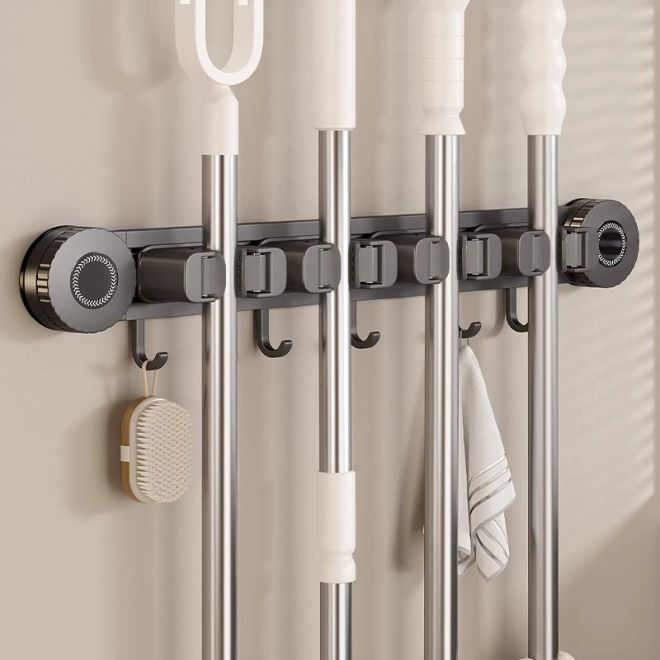
Green offices and malls need clean, safe storage for cleaning tools. The Wall Mounted Broom & Mop Rack, Adjustable, Space-Saving, Aluminum/ABS keeps floors dry and reduces slip risks.
| Feature | Result |
|---|---|
| Wall-mounted design | Free floor space |
| Adjustable clips | Fits varied tools |
| Aluminum/ABS build | Light, rust-free |
4.3 Hospitality and Public Facilities: User-Centered Eco Design
Hotels and public buildings install water-saving taps, durable racks, and simple controls. Guests enjoy comfort, while owners save on water, energy, and maintenance.
- Clear user instructions
- Anti-vandal hardware in public zones
- Quick replacement and service options
5. 📊 Policy Trends, Standards, and Future Outlook for Eco Sanitary Ware
Governments and green building bodies now set firm rules for water use, durability, and chemical safety. Eco sanitary ware helps projects meet these rising standards.
Future systems will link data, low-flow devices, and circular materials to support city-wide climate and resilience goals.
5.1 Global and Local Water Efficiency Standards
Labels and codes specify maximum flow rates for toilets and faucets. Builders must choose certified products to pass inspection and qualify for incentives.
- Limits on liters per flush
- Flow caps for basin faucets
- Testing and third-party labeling
5.2 Green Building Certifications and Rating Systems
LEED-type programs reward reduced water use, responsible sourcing, and indoor air quality. Eco sanitary ware can contribute important points to overall building scores.
| Credit Area | Sanitary Ware Role |
|---|---|
| Water efficiency | Low-flow toilets, faucets |
| Materials | Recycled metals, safe coatings |
| Indoor air | Low-VOC finishes |
5.3 Future Outlook: Smart, Circular, and User-Friendly
Next-generation systems will merge sensors, modular designs, and full material recovery. Products will last longer, share data, and re-enter the supply chain at end of life.
- IoT-linked leak detection
- Replaceable modules instead of full units
- Take-back and recycling programs
Conclusion
Eco friendly sanitary ware now sits at the center of green building, water savings, and user health. Smart toilets, faucets, and accessories together can greatly cut waste.
By choosing durable materials, efficient flows, and flexible layouts, builders and owners protect resources, lower costs, and support global climate and sustainability goals.
Frequently Asked Questions about sanitary ware
1. What makes sanitary ware “eco friendly”?
Eco friendly sanitary ware uses less water and energy, contains safer materials, lasts longer, and can often be repaired or recycled instead of simply discarded.
2. Do water-saving toilets and faucets reduce comfort?
No. Modern designs use better flow paths and aerators to maintain strong performance. Users usually notice little change, except in lower water and energy bills.
3. Are stainless steel and aluminum good choices for bathrooms?
Yes. Both metals resist rust, are easy to clean, and can be recycled. They support long life and low maintenance in wet bathroom spaces.
4. How can buildings track water savings from eco sanitary ware?
Install meters at key points, compare usage before and after retrofits, and use smart tools or dashboards to observe trends and find leaks quickly.
5. Is eco sanitary ware more expensive?
Initial prices can be slightly higher, but reduced water, energy, and repair costs usually repay the extra investment within a few years of regular use.
 Privacy settings