





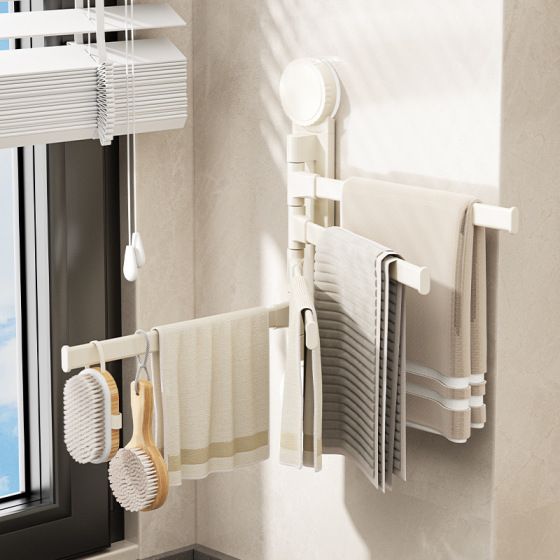
Your shampoo’s diving off the ledge, razors are staging jailbreaks, and the loofah keeps mysteriously vanishing—your bathroom wall is clearly losing the storage battle.
The fix: choose sturdy suction wall racks made from rust‑resistant materials, proven reliable in humid spaces (research link).
🧱 Stainless steel suction racks for rust-resistant, long-lasting bathroom storage
Stainless steel suction wall racks work well in busy, wet bathrooms. They resist rust, hold heavier items, and keep their clean look for many years.
They are ideal for families who want safe, long-lasting storage without drilling. Use them to organize shampoo, body wash, razors, and bath toys in one neat space.
1. Key benefits of stainless steel suction racks
Stainless steel offers strong support, water resistance, and easy cleaning. It suits modern bathrooms where you want both style and long-term use.
- High load capacity
- Rust and stain resistance
- Simple wipe-clean care
- Matches most fixtures and hardware
2. Best surfaces for stainless suction mounts
For safe use, always mount suction racks on smooth, non-porous walls. This helps the cups create a firm seal and prevents sudden falls.
| Recommended | Not Recommended |
|---|---|
| Glazed tile | Textured tile |
| Glass | Painted drywall |
| Polished metal | Uneven stone |
3. Pairing with aluminum bathroom accessories
Combine stainless suction racks with aluminum fixtures for a light but strong setup. For corner storage, see this Wall-Mounted Shower Corner Shelf, Dual Installation, Aluminum, Multi-Room Use.
4. Care and maintenance tips
Clean stainless racks often to reduce soap build-up. Rinse with water, dry with a soft cloth, and re-seat suction cups every few months for best grip.
🧼 Plastic suction wall racks: lightweight options for wet, humid environments
Plastic suction wall racks are light, budget-friendly, and safe around kids. They handle steam well and work nicely for lighter bottles and bathroom tools.
They suit renters and small bathrooms where you want flexible, no-drill storage that you can move or replace at any time.
1. Advantages of plastic suction racks
Plastic racks resist water and do not rust. Their low weight makes them ideal for small items such as brushes, soap bars, and face cloths.
- Affordable for large families
- Variety of colors and styles
- Safe edges, low risk of injury
- Easy to move when cleaning tiles
2. Common load capacities and usage
Most plastic suction racks support light to medium weight. Always check the rated load and avoid stacking heavy glass bottles on one small rack.
| Rack Type | Typical Max Load | Ideal Use |
|---|---|---|
| Small soap holder | 1–2 kg | Soap, razors |
| Medium basket | 3–4 kg | Shampoos |
| Corner caddy | 4–5 kg | Family items |
3. Data analysis: popularity of rack materials
The chart below compares user interest in stainless steel, plastic, and bamboo suction racks in a typical year. It can help guide your material choice.
4. When to choose plastic over metal
Pick plastic racks when you want lower cost, softer edges, and lighter weight. They are perfect for guest baths or children’s bathrooms.
🪵 Wood and bamboo suction racks: warmth, style, and moisture concerns
Wood and bamboo suction racks add natural warmth and style but need more care to handle constant moisture and steam in bathrooms.
They suit design-focused spaces where you balance beauty with regular cleaning and drying to prevent swelling or mold growth.
1. Visual appeal and design style
Wood and bamboo create a spa-like look. They pair well with neutral tiles and simple fixtures for a calm, natural bathroom feel.
- Soft, warm color tones
- Works with Nordic and Japandi styles
- Pairs with plants and stone details
2. Moisture protection and care
You should wipe these racks dry often. Choose sealed or coated surfaces to improve water resistance and lower the risk of cracking.
3. When wood and bamboo are not ideal
In very wet, unventilated bathrooms, wood and bamboo may warp. In those cases, stainless steel or aluminum will last much longer.
🧲 Comparing suction strength: silicone, rubber, and hybrid sealing materials
Suction strength depends heavily on the cup material. Silicone, rubber, and hybrid seals each grip differently on wet, smooth bathroom walls.
Understanding these materials helps you choose racks that stay firmly in place and support the weight you need every day.
1. Silicone suction cups
Silicone cups stay flexible in hot showers and form a strong seal. They work well on very smooth tiles and glass surfaces.
- Great temperature resistance
- Good long-term elasticity
- Best for frequent steam use
2. Rubber suction cups
Rubber offers a strong initial grip but may harden over time. It suits lighter racks or areas with less daily steam and heat.
3. Hybrid and advanced sealing designs
Hybrid cups mix silicone, rubber, or micro-gel layers. Many also use a locking knob to push out air, giving higher load capacity and longer hold.
🏠 Why Wenhai Home suction rack materials suit modern family bathrooms
Wenhai Home focuses on strong metals, advanced suction materials, and no-drill installs that fit fast-moving, modern family lifestyles.
From corners to towel storage, the material choices support daily use, easy cleaning, and flexible placement in any bathroom layout.
1. Durable aluminum and stainless options
Their racks combine light aluminum frames with strong suction fixes. This keeps walls intact while offering stable storage across different room sizes.
2. Space-saving designs for tight layouts
Choose folding and rotating products to free space. For towels, see this Rotating Towel Rack, 180° Swing, No-Drill, Space-Saving, Aluminum or this Wall Mounted Towel Rack, Foldable Double-Layer, Space-Saving, Aluminum.
3. No-drill mounting for renters and new homes
Their suction technology avoids wall damage, ideal for rentals or new tiles. You can move racks as your family grows or layout changes.
Conclusion
When choosing suction wall racks, focus on both frame and suction materials. Stainless steel and aluminum give strength, plastic offers light and low-cost use, while wood adds style with more care.
Match suction cup types to your wall surface and humidity level. With the right choice, you gain safe, flexible storage that keeps your bathroom neat for years.
Frequently Asked Questions about suction wall rack
1. How much weight can a suction wall rack hold?
Weight limits vary by material and cup design. Many plastic racks hold 2–4 kg, while quality metal racks with locking suction can handle 5 kg or more on smooth tiles.
2. Why does my suction rack keep falling?
Common reasons include rough or porous walls, soap film, or trapped air. Clean the surface, dry it fully, and press out all air before locking the suction cup.
3. Can I use suction racks on painted walls?
It is not advised. Paint and drywall are often slightly porous and uneven, so suction cups cannot form a strong, lasting seal and may peel the paint.
4. How often should I reset or clean suction cups?
Every two to three months, remove the rack, wash the cups and wall with mild soap, dry both, then mount again. This keeps suction strong and safe.
5. Are suction wall racks safe for rental apartments?
Yes, when used on suitable tiles or glass. They avoid drilling, which protects deposits and lets you move or remove racks when you change homes.
 Privacy settings