





Your bathroom feels stuck in 2008, your faucet squeaks like a teenager in puberty, and every “upgrade” video just adds more tabs, not answers—meanwhile 2026 trends sound like sci-fi instead of something you can actually buy and install.
Use clear data from the Bath Hardware Industry White Paper 2026 Trends and Forecasts to pick durable, water‑saving, smart‑ready hardware without guesswork—start with this summary from McKinsey’s bathroom and sanitary ware outlook and match its forecasts to your budget and renovation plan.
🔧 Global market outlook and demand structure for bath hardware in 2026
The 2026 bath hardware market will see solid growth led by urban renewal, aging populations, and rising hygiene standards. Brands must offer safe, smart, and space‑saving products.
Demand will shift from single products to complete bathroom solutions that integrate storage, drying, and organization for both small apartments and upgraded family homes.
1. Market scale and growth drivers
By 2026, global bath hardware is expected to grow steadily, driven by renovation, rental housing upgrades, and e‑commerce penetration in emerging markets.
- Strong demand from Asia–Pacific and Latin America
- Replacement of low‑end hardware with durable materials
- Rising online custom orders and quick delivery
2. Shift from hardware parts to full-scene solutions
Users no longer buy only hooks or bars. They want coordinated sets covering storage, hanging, and drying for every bathroom corner.
- Integrated shower, washbasin, and laundry zones
- Coherent style: color, finish, and shape
- Easy installation for DIY renters and homeowners
3. Space optimization in small bathrooms
Compact homes push demand for wall‑mounted, foldable, and multi‑functional hardware that frees floor space and keeps bathrooms clean.
- Vertical storage and corner utilization
- Drilling‑free systems to protect walls
- Smart layout for cleaning tools and clothes
4. Premiumization and brand competition
Consumers pay more attention to quality and design, giving an edge to brands offering tested materials, reliable warranties, and strong online reviews.
| Trend | Impact |
|---|---|
| Brand trust | Higher conversion and repeat orders |
| Design depth | Differentiation in crowded markets |
💧 Environmentally friendly materials and water-saving technologies reshaping product standards
Green policies and conscious buyers force bath hardware makers to favor recyclable metals, low‑VOC finishes, and water‑saving fittings that cut long‑term utility costs.
By 2026, green labels and measurable water savings will become key buying factors alongside price and style.
1. Growth of low-carbon materials
Manufacturers increasingly use stainless steel, aluminum, and carbon steel with recyclable packaging and cleaner surface treatments.
- Reduced plating pollution
- Longer life and fewer replacements
- Traceable raw material sources
2. Water-saving fittings and standards
Showers, faucets, and flush hardware focus on flow control and aeration, helping households cut water use without hurting comfort.
| Year | Average water reduction vs. 2020 |
|---|---|
| 2024 | 10% |
| 2026 (forecast) | 20–25% |
3. Data snapshot: adoption of eco hardware by region
Below is a simple bar chart script showing projected adoption rates of eco bath hardware by 2026. It helps planners compare markets and set sales targets.
4. Practical eco products in daily bathrooms
Eco thinking also applies to storage and drying hardware that reduces waste, saves space, and improves ventilation.
- Wall Mounted Broom & Mop Rack, Adjustable, Space-Saving, Aluminum/ABS uses durable materials and helps keep wet tools dry and hygienic.
- Wall-Mounted Retractable Clothesline, 2.8m, Heavy-Duty, Stainless Steel supports air drying, which cuts energy use from dryers.
📱 Intelligent bath hardware, human–machine interaction, and data-driven bathroom management
Smart bath hardware in 2026 will blend sensors, apps, and automation, giving users safer, more comfortable, and trackable bathroom experiences.
1. Core features of smart bath hardware
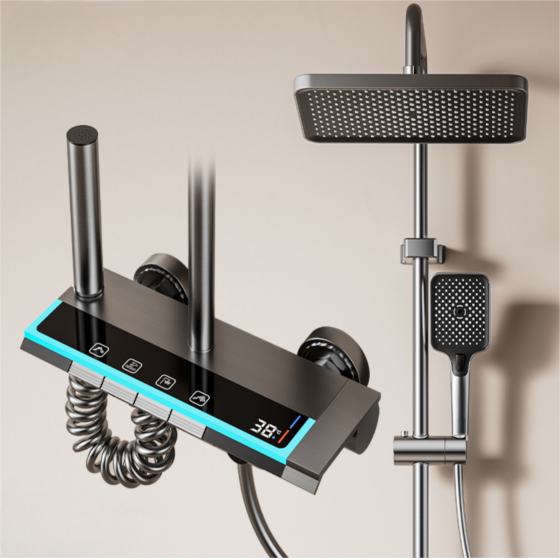
Smart mirrors, touchless taps, and connected exhaust fans use sensors and wireless links to improve hygiene and comfort.
- Automatic on/off for lights and ventilation
- App‑based control of temperature and timing
- Usage reminders and fault alerts
2. Human–machine interaction and accessibility
Voice control, simple icons, and preset scenes make bathrooms friendlier to children, seniors, and users with limited mobility.
| Interface | Benefit |
|---|---|
| Voice commands | Hands‑free and safe in wet spaces |
| Large buttons | Easier use for elderly users |
3. Data-driven bathroom management
Smart devices can log water, power, and use time, helping families understand patterns, avoid leaks, and plan maintenance.
- Water alerts when use is abnormal
- Filter and cartridge change reminders
- Data for future bathroom upgrades
🏭 Industrial digitalization, flexible manufacturing, and supply chain resilience enhancement
By 2026, digital tools and flexible lines will allow bath hardware makers to react faster to demand shifts and raw‑material risks.
1. Digital factories and quality traceability
Factories adopt MES, barcodes, and sensors to track every batch from raw steel to finished product and shipping.
- Real‑time defect tracking
- Faster root‑cause analysis
- Digital records for audits
2. Flexible manufacturing for small batches
Modular lines and quick molds support short runs in different colors and sizes, meeting personalized bathroom designs.
| Mode | Use case |
|---|---|
| Make‑to‑order | Online custom sets |
| Rapid switch | Seasonal or regional styles |
3. Supply chain resilience and near-shoring
Brands diversify suppliers, raise safety stocks of key parts, and use digital planning to lower risk from shipping delays and cost swings.
- Regional warehouses for fast response
- Dual‑sourcing critical components
- Closer links with logistics partners
🏠 Scenario-based bathroom solutions and Wenhai Home’s differentiated design advantages
Scenario-based design focuses on real daily use, offering complete, easy‑to‑install bath hardware sets that match different household types.
1. Storage-centered scenarios for small homes
Compact bathrooms need wall systems that combine hooks, racks, and tool holders to remove clutter from the floor.
- Vertical broom and mop storage
- Shelves for detergents and bottles
- Hidden or foldable pieces for a clean look
2. Dry–wet separation and laundry zones
More families expect the bathroom to include a basic laundry area supported by smart drying and organized storage.
| Product type | Function |
|---|---|
| Retractable lines | Flexible drying space |
| Wall racks | Keep towels and clothes aired |
3. Wenhai Home’s product integration advantages
Wenhai Home links drying, storage, and organization into one system, using robust metals and simple installation to boost user value.
- Wall-mounted, drilling-free storage rack, detachable, made of carbon steel, lightweight and durable supports flexible layouts and renter‑friendly upgrades.
- Coordinated finishes across racks, lines, and holders create a unified visual style.
Conclusion
By 2026, bath hardware will move toward greener materials, smarter features, and scenario‑based solutions. Brands that link product design with digital factories and resilient supply chains will keep an edge.
Wenhai Home’s focus on practical storage, drying, and easy installation fits these trends, offering users long‑lasting, flexible hardware for modern bathroom upgrades.
Frequently Asked Questions about bath hardware
1. How often should bath hardware be replaced?
High‑quality stainless steel or aluminum hardware can last 8–10 years. Replace items earlier if you see rust, loosened anchors, or serious surface damage.
2. Are drilling-free bath hardware products reliable?
Yes, if walls are clean and load limits are followed. Use them for toiletries, towels, and tools, but avoid hanging very heavy objects beyond stated capacity.
3. What materials are best for humid bathrooms?
Stainless steel, anodized aluminum, and coated carbon steel perform well in humidity. They resist rust, stay strong, and are easy to clean with mild detergents.
4. How can I make a small bathroom more organized?
Use wall‑mounted racks, broom and mop holders, and retractable clotheslines. Plan vertical zones for cleaning tools, toiletries, and towels to free floor space.
5. Are smart bath hardware products difficult to install?
Most smart mirrors, taps, and fans come with clear guides and standard fittings. Electric or plumbing work may require a licensed technician for safety and compliance.
 Privacy settings