





Your nonstick pan looks like a scratched-up CD from the 90s, and every time you grab that metal spatula, you hear your Teflon whisper, “Why are you like this?”
Use silicone, wood, or plastic utensils to protect coatings and avoid toxins; studies show damaged nonstick can release harmful particles (NIH report).
🍳 Why Nonstick Coatings Scratch Easily and Need Gentler Utensils
Nonstick pans use thin, smooth coatings that can chip or wear down under hard pressure. Gentle utensils help keep the surface safe, so food releases easily.
When you choose the right tools, you protect both the coating and your health. Fewer scratches mean fewer flakes, better cooking, and a pan that lasts longer.
1. How Nonstick Coatings Work
Nonstick surfaces use a low-friction layer so food slides instead of sticking. This layer is thin and can weaken when scraped, pressed, or overheated.
- Low friction reduces stuck-on food
- Thin coating chips under sharp pressure
- Strong scrapes speed up wear
2. Why Scratches Are a Real Problem
Scratches expose the metal base and create rough spots where food sticks. Over time, these damaged areas spread and the pan loses its nonstick power.
- More oil needed after damage
- Uneven cooking on rough spots
- Shorter overall pan life
3. Common Scratch Sources in the Kitchen
The top causes of damage are metal utensils, stacked pans, and abrasive scrubbers. Even quick stirring with a fork can leave lasting marks.
| Risk Source | Scratch Level |
|---|---|
| Metal spatulas | High |
| Steel wool pads | Very High |
| Stacked storage | Medium |
4. Why Gentler Utensils Are Safer
Soft silicone, wood, and bamboo glide on the surface instead of digging in. They lower stress on the coating while still flipping and stirring well.
- Soft edges protect the coating
- Less noise and vibration
- Better long-term pan performance
🥄 Silicone Utensils: Heat Resistance, Flexibility, and Benefits for Nonstick Pans
Silicone utensils are smooth, flexible, and heat resistant. They protect nonstick coatings, move food gently, and clean up quickly without scratching.
These tools bend around pan edges and help you reach corners. You flip, stir, and scrape easily while keeping the nonstick surface safe and strong.
1. Key Benefits of Silicone for Nonstick Pans
Silicone tools stay gentle on the surface while giving you control. They handle daily cooking without chipping the coating or leaving deep marks.
- Soft contact with the pan
- Won’t rust or warp
- Great for eggs, pancakes, sauces
2. Heat Resistance and Safety Range
Most quality silicone utensils handle high heat without melting. Still, keep them away from open flames or direct contact with red-hot metal.
| Utensil Type | Typical Heat Resistance |
|---|---|
| Basic silicone spatula | 200–220°C (392–428°F) |
| Premium silicone turner | 230–260°C (446–500°F) |
3. Sample Data: Why Cooks Prefer Silicone
The chart below simulates how home cooks rate utensil materials for nonstick pans. Silicone scores high on safety and ease of use.
4. Daily Care Tips for Silicone Tools
Wash silicone utensils with mild soap and warm water. Avoid sharp knives near them to prevent cuts that could trap food or stains.
- Rinse right after cooking
- Use soft sponges only
- Store flat or hanging to keep shape
🍴 Wooden and Bamboo Tools: Classic, Quiet, and Pan-Friendly Options
Wooden and bamboo utensils are gentle, quiet, and stylish. They protect nonstick pans while giving your kitchen a warm, natural feel.
1. Why Wood and Bamboo Are Pan-Safe
These materials are firm but not sharp, so they glide instead of scrape. They reduce clatter and keep coatings smooth during daily cooking.
- Soft edges protect coatings
- No harsh metal sounds
- Comfortable grip for longer cooking
2. Care and Cleaning Tips
Hand-wash wooden and bamboo tools and dry them quickly. Avoid soaking and dishwashers, which can crack or warp the handles and tips.
| Step | Action |
|---|---|
| 1 | Rinse with warm, soapy water |
| 2 | Dry with a towel at once |
| 3 | Oil lightly every few weeks |
3. When to Replace Wooden Utensils
If you see deep cracks, rough edges, or dark stains, it is time to replace the utensil. Rough spots can scratch nonstick coatings.
- Check edges for chips
- Watch for mold or odor
- Sand lightly or replace if damaged
🔪 Utensils to Avoid: Metal Edges, Sharp Corners, and Hidden Scratch Risks
Some tools seem handy but slowly ruin nonstick pans. Avoid sharp metal edges and hard corners that grind into the fragile coating.
1. High-Risk Metal Tools
Metal spatulas, whisks, and tongs can cut into the surface. Even gentle use slowly wears lines into the coating over time.
| Tool | Risk Level |
|---|---|
| Metal spatula | Very High |
| Metal tongs | High |
| Metal whisk | Medium |
2. Hidden Scratch Makers
Forks, knives, and pizza cutters can slice the coating with one slip. Never cut food directly in a nonstick pan.
- Use cutting boards, not pan bases
- Serve with silicone or wood, not metal
- Skip metal mashers on nonstick
3. Storage and Cleaning Habits That Damage Pans
Stacking pans without protection and scrubbing with steel wool can destroy coatings. Simple storage fixes add years to pan life.
- Use soft pan protectors or towels
- Avoid steel wool and harsh pads
- Choose soft sponges and mild soap
🏠 How Wenhai Home Utensil Sets Protect Nonstick Surfaces for Years
Smart storage and gentle utensils work together to protect nonstick pans. Wenhai Home solutions help organize tools and keep sharp items away.
1. Safe, Organized Utensil Storage
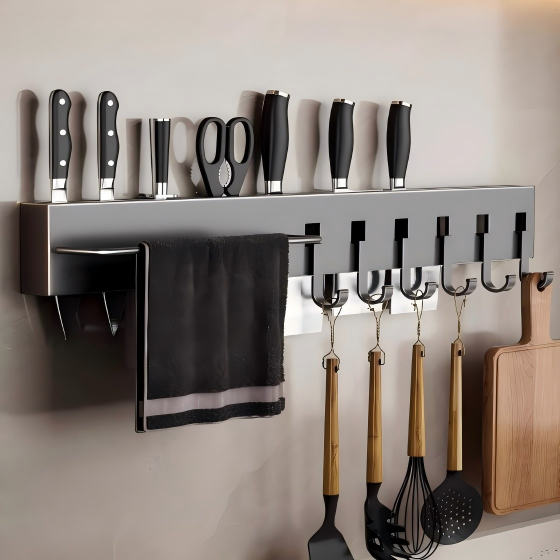
A tidy kitchen keeps rough tools from touching pan surfaces. The Kitchen storage rack, double installation without nail glue/screw, kitchen finishing lets you hang and separate silicone, wood, and bamboo tools safely.
2. Keeping Blades Off Your Nonstick Pans
Storing knives away from pans prevents chips and scratches during cleanup. The Magnetic Knife Holder with Lid & Utensil Rack, Carbon Steel for Wall & Countertop keeps sharp edges secure and off cooking surfaces.
3. Protecting Seasonings and Space Around the Stove
Clutter around the stove leads to bumping pans with metal containers. A Wall-Mounted Spice Rack, Multi-Functional Storage, Gray Carbon Steel, Kitchen keeps jars tidy, freeing room for safe movements with nonstick cookware.
Conclusion
Choosing safe utensils for nonstick pans is simple and powerful. Use silicone, wood, and bamboo tools. Avoid metal and sharp edges that can chip the coating.
Store utensils and knives wisely so they never scratch pans by accident. With gentle tools and smart storage, your nonstick cookware will perform well for years.
Frequently Asked Questions about kitchen utensils
1. Which utensils are best for nonstick pans?
Silicone, wooden, and bamboo utensils are the safest choices. They protect the coating, reduce noise, and still give you good control while cooking.
2. Can I ever use metal utensils on nonstick pans?
It is best to avoid metal tools. Even light use can cause fine scratches that build up over time and weaken the nonstick surface.
3. Are nylon utensils safe for nonstick cookware?
Nylon is softer than metal and usually safe at moderate heat. However, it can melt at higher temperatures, so silicone or wood are better long-term options.
4. How often should I replace my nonstick-safe utensils?
Replace utensils when you see cracks, rough edges, or warping. Damaged tools can scratch pans or trap food and should not stay in regular use.
5. Can dishwasher cycles damage nonstick-safe utensils?
Dishwashers can be harsh on wood and bamboo, causing cracks. Silicone usually handles dishwashers well, but hand-washing always helps tools last longer.
 Privacy settings