





Your kitchen drawers look like a plastic crime scene, and every spoon you grab squeaks “I’ll outlive you by 400 years.” You want greener tools, but every label screams “eco-friendly” like it’s printed on pure marketing fluff.
To fix this, choose utensils made from certified bamboo, stainless steel, or recycled materials, and skip mystery plastics. Check for third‑party certifications and life cycle info; reports like this UNEP plastic impact study show how material choices cut waste and pollution.
🌱 Understanding Sustainable Materials for Everyday Kitchen Utensils
Eco friendly kitchen utensils use safe, durable materials that reduce waste and pollution. They help you cook well while lowering your daily environmental impact.
By choosing better materials, you avoid toxins, protect your cookware, and support brands that value sustainability and transparent production practices.
1. Key Features of Sustainable Utensil Materials
Sustainable materials come from renewable or recycled sources and last a long time in the kitchen. They reduce the need for frequent replacements and cut overall waste.
- Renewable sources like bamboo or responsibly harvested wood
- Recyclable metals such as stainless steel
- Non‑toxic finishes and food‑safe coatings
- Low energy and water use during production
2. Common Eco Friendly Materials to Look For
When shopping, check labels and product pages for clear material information. Avoid vague claims and look for direct, simple descriptions.
| Material | Main Benefits |
|---|---|
| Bamboo | Fast growing, lightweight, gentle on pans |
| Wood | Strong, natural look, long lasting with care |
| Stainless steel | Highly durable, rust resistant, recyclable |
| Silicone (food‑grade) | Heat safe, flexible, protects nonstick pans |
3. Health and Safety Considerations
Eco utensils should not leach chemicals into food. You lower risk by choosing tested, food‑grade materials without heavy metals or harsh surface treatments.
- Look for BPA‑free, food‑grade labels
- Avoid chipped nonstick coatings
- Choose untreated or natural oil‑finished wood
- Skip utensils with strong chemical odors
4. How Production and Packaging Affect Sustainability
Sustainability includes how products are made, shipped, and packed. Simple, recyclable packaging and efficient production lower the total footprint of your utensils.
- Minimal plastic wraps and fillers
- Flat‑packed or compact designs for shipping
- Clear origin and factory information
- Recycled paper or cardboard packaging
🍃 Why Bamboo, Wood, and Stainless Steel Beat Plastic in the Kitchen
Bamboo, wood, and stainless steel usually last longer than plastic and do not break down into harmful microplastics during regular kitchen use.
They also handle heat better and look more natural, giving your kitchen a clean, warm style that supports a lower waste lifestyle.
1. Comparing Durability and Heat Resistance
Plastic can warp or melt near high heat, while bamboo, wood, and stainless steel stay strong when you cook, stir, and serve daily meals.
| Material | Heat Resistance | Typical Lifespan |
|---|---|---|
| Plastic | Low–Medium | 1–2 years |
| Bamboo | Medium | 3–5 years |
| Wood | Medium–High | 5+ years |
| Stainless steel | High | 10+ years |
2. Environmental Impact Over the Product Life Cycle
Plastic relies on fossil fuels and often ends up in landfills. Bamboo, wood, and stainless steel can be renewable or recyclable with lower long‑term impact.
- Bamboo regrows quickly with less water
- Wood can be composted or reused
- Stainless steel is widely recyclable
- Plastic often has limited recycling options
3. Performance with Different Cookware Types
Match utensils to your pots and pans. You protect coatings and surfaces while keeping cooking simple and safe for your tools and food.
| Cookware | Best Utensils |
|---|---|
| Nonstick | Bamboo, wood, silicone |
| Cast iron | Wood, stainless steel |
| Stainless steel pans | Stainless steel, wood |
| Ceramic | Bamboo, wood, silicone |
4. Cost and Long‑Term Value
Eco utensils may cost more at first, but their long life and safe use often make them cheaper per year than repeated plastic purchases.
- Fewer replacements mean lower total cost
- Less risk of heat damage and warping
- Better resale or donation value if still usable
- Reduced waste fees and clutter
🌀 Reusable Utensils and Reducing Waste in Daily Cooking Routines
Reusable utensils cut single‑use waste and keep your drawers simple. Choosing durable tools supports both your budget and the planet.
Plan your set around what you actually cook, and avoid buying extra gadgets that rarely leave the drawer.
1. Building a Core Set of Reusable Utensils
Start with a small, smart set that fits your cooking style instead of collecting many rarely used pieces.
- One solid and one slotted spoon
- Spatula for nonstick pans
- Tongs and a ladle
- Whisk and cutting board
2. Cutting Back on Single‑Use Kitchen Items
Swap disposable items for reusable options. You lower daily trash and enjoy a tidier, calmer cooking space.
| Single‑Use Item | Reusable Swap |
|---|---|
| Plastic cutlery | Stainless steel or bamboo set |
| Paper towels | Cloth towels and rags |
| Plastic wrap | Glass containers, silicone lids |
| Takeaway forks | Travel utensil kit |
3. Smart Storage to Extend Utensil Life
Good storage prevents damage and keeps tools easy to reach. This helps you use what you own instead of buying more.
- Store heavy tools at the back to avoid bending lighter ones
- Hang often‑used utensils near the stove
- Dry tools fully before storing to avoid mold
🧽 Caring for Eco Friendly Utensils to Make Them Last Longer
Proper care keeps eco friendly utensils safe, smooth, and useful for many years, reducing both waste and replacement costs.
Simple cleaning and regular checks help you spot wear early and avoid cracks or stains that may hold bacteria.
1. Daily Cleaning and Drying Tips
Clean utensils right after use to prevent stains and odors. Gentle methods protect surfaces and sealants from early damage.
- Wash bamboo and wood by hand with mild soap
- Avoid long soaking, which can cause swelling
- Dry with a towel and air dry fully
- Use non‑scratch sponges on steel and silicone
2. Special Care for Bamboo and Wooden Utensils
Bamboo and wood need extra care to stay smooth and resist water damage. Regular oiling keeps them strong and pleasant to hold.
| Care Step | How Often |
|---|---|
| Oil with food‑grade mineral or linseed oil | Every 3–4 weeks |
| Light sanding if rough | As needed |
| Check for cracks | Monthly |
| Replace if split or moldy | Immediately |
3. Maintaining Stainless Steel and Silicone Tools
Stainless steel and silicone are low‑maintenance but still benefit from regular checks for damage, rust, or loose handles.
- Wash stainless steel in the dishwasher if allowed
- Dry right away to prevent spots
- Inspect silicone for cuts or burns
- Recycle metal parts where local rules allow
🏡 Choosing Eco Conscious Kitchen Tools? Wenhai Home as Your Green Option
Eco conscious tools work best when paired with smart storage. Wenhai Home offers sturdy racks and organizers that support clean, low‑waste kitchens.
Thoughtful layouts save time, protect utensils, and keep counters clear, helping you stick to sustainable cooking habits every day.
1. Wall and Overhead Storage to Free Counter Space
Use vertical space to keep tools close but off the counter. This improves airflow and keeps utensils clean and dry.
- Install a Wall-mounted, drilling-free storage rack, detachable, made of carbon steel, lightweight and durable for flexible utensil storage
- Hang ladles, spatulas, and strainers
- Keep cleaning brushes separate from food tools
2. Organizing Lids, Boards, and Larger Tools
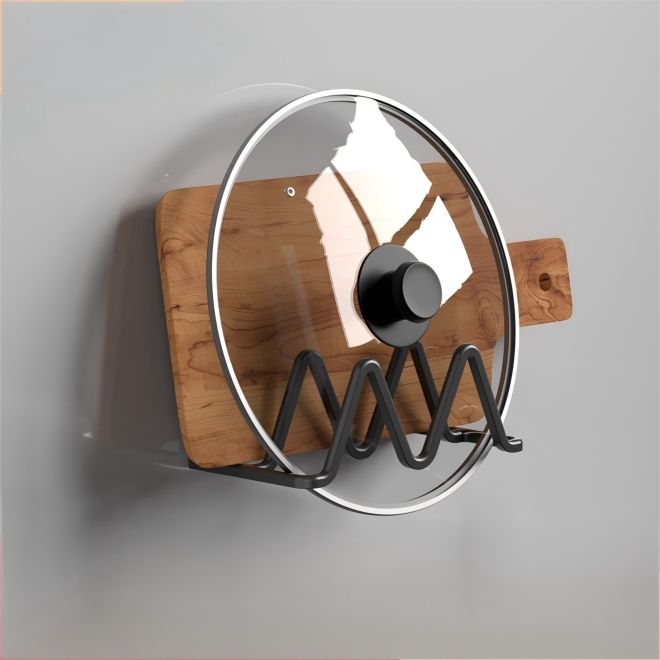
Pot lids and boards take space and can chip if stacked badly. A stable rack keeps them safe and easy to grab while cooking.
Consider a Kitchen gray pot lid rack storage overhead room aluminum kitchen rack chopping board rack to store lids, boards, and trays in one tidy place.
3. Nail‑Free Solutions for Renters and Small Spaces
If you rent or avoid drilling, choose racks that rely on glue or clamps. They protect walls while still adding strong support.
A Kitchen storage rack, double installation without nail glue/screw, kitchen finishing lets you test layouts, move racks, and adjust your storage as your utensil set grows.
Conclusion
Eco friendly kitchen utensils support healthier cooking and a lower impact home. Choose bamboo, wood, and stainless steel for lasting performance and fewer replacements.
Care for your tools, store them well, and use smart racks to extend their life. Small, thoughtful choices in utensils and storage create a cleaner, greener kitchen.
Frequently Asked Questions about kitchen tools
1. Which utensil material is safest for everyday cooking?
Food‑grade stainless steel, bamboo, and hardwood are safe for most cooking. They resist heat, do not melt, and avoid common plastic chemicals when used correctly.
2. Are bamboo utensils really eco friendly?
Yes, bamboo grows quickly and needs less water than many woods. When sourced responsibly and cared for well, it offers a strong, low‑impact alternative to plastic.
3. Can I put wooden utensils in the dishwasher?
It is better to avoid the dishwasher. High heat and long soaking can crack or warp wood. Hand wash with mild soap and dry right away.
4. How many utensils do I actually need in a small kitchen?
Most people do well with 8–10 core pieces: a few spoons, a spatula, tongs, a ladle, a whisk, and one or two cutting boards.
5. When should I replace eco friendly utensils?
Replace any utensil that is cracked, deeply stained, or loose at the handle. Damage can trap bacteria or make tools unsafe during cooking.
 Privacy settings