





Ever tried flipping pancakes, only to watch your spatula sag like melted cheese? Heat can turn trusty tools into floppy, sticky, burnt-smelling disasters faster than your smoke alarm can scream.
Choose certified heat-resistant tools made from silicone or stainless steel, and always check temperature ratings—studies show proper cookware reduces burn risk and chemical exposure (FDA cookware safety report).
🔥 Understanding Heat Resistance Ratings for Everyday Cooking Tasks
Heat resistant kitchen tools keep you safe and protect cookware. Always match a tool’s temperature rating to your most common cooking methods and appliances.
Check product labels for clear heat limits in °C or °F, and avoid guessing. Correct ratings prevent melting, burning, and hidden damage over time.
1. Key Temperature Ranges You Should Know
Most home tasks fall between low oven heat and high pan searing. Know these ranges before buying spatulas, tongs, and spoons.
- Low heat: up to 180°C / 356°F (baking, reheating)
- Medium heat: 180–220°C / 356–428°F (roasting, frying)
- High heat: 220–260°C / 428–500°F (searing, broiling)
2. Matching Tools to Cooking Surfaces
Use softer tools on delicate finishes and stronger tools on tough metals. This balance stops scratches and extends pan life.
- Nonstick pans: silicone or wood only
- Cast iron and carbon steel: silicone, stainless, or wood
- Ceramic coatings: silicone preferred
3. Spotting Real vs. Marketing Claims
Look for clear lab test data, not just “high heat safe” claims. Check user reviews for melting, odor, or color change reports.
- Seek exact temperature numbers
- Avoid tools with vague “heat proof” labels
- Buy from brands that list materials clearly
4. When to Replace Your Heat Resistant Tools
Even strong tools fail over time. Watch for cracks, sticky surfaces, and warping near the handle or head.
- Discoloring or peeling surfaces
- Soft, gummy, or sticky spots
- Loose handles or bent parts
🍳 Materials Comparison: Silicone, Stainless Steel, Wood, and Nylon
Each material handles heat, grip, and care differently. Compare them before you pick everyday spatulas, ladles, and tongs.
Think about your pans, cooking style, and cleaning habits so you choose tools that last and stay safe under high heat.
1. Heat Resistance by Material
Silicone and stainless steel usually handle more heat than wood and nylon. Use higher-rated tools for frying and grilling tasks.
2. Nonstick Safety and Surface Protection
Nonstick pans scratch easily, so choose gentle materials. Silicone and wood help keep coatings smooth and safe longer.
| Material | Nonstick Friendly |
|---|---|
| Silicone | Excellent |
| Wood | Very good |
| Nylon | Good, but can melt |
| Stainless Steel | Poor on nonstick |
3. Comfort, Grip, and Control
Comfort matters for daily cooking. Silicone handles and wooden grips stay cooler and feel secure in wet or oily hands.
- Silicone: soft grip, flexible edges
- Stainless: firm, precise, can get hot
- Wood: warm feel, natural grip
- Nylon: light but can feel flimsy
4. Durability and Care Needs
Some materials handle dishwashers; others need gentle hand washing. Choose what fits your cleaning habits and storage space.
| Material | Dishwasher Safe | Typical Lifespan |
|---|---|---|
| Silicone | Yes | Long |
| Stainless Steel | Yes | Very long |
| Wood | No | Medium |
| Nylon | Often | Short to medium |
♨️ Safety Factors: Avoiding Melting, Warping, and Toxic Fumes
Using the wrong tool at high heat can cause warping, smoke, or fumes. Always follow temperature ratings and watch how tools look and smell.
1. Preventing Melting and Warping
Never leave tools resting in pans or touching electric coils. Store them away from oven vents and open flame to keep their shape.
- Do not lean tools on hot pan rims
- Use utensil rests beside burners
- Replace warped or bent heads
2. Reducing Toxic Fume Risks
Low‑quality plastics can release fumes when overheated. Pick BPA‑free, food‑grade materials and avoid any tool that smells strong when hot.
- Check for food‑grade marks
- Avoid tools with mystery plastics
- Vent your kitchen during high‑heat cooking
3. Safe Storage Around Heat Sources
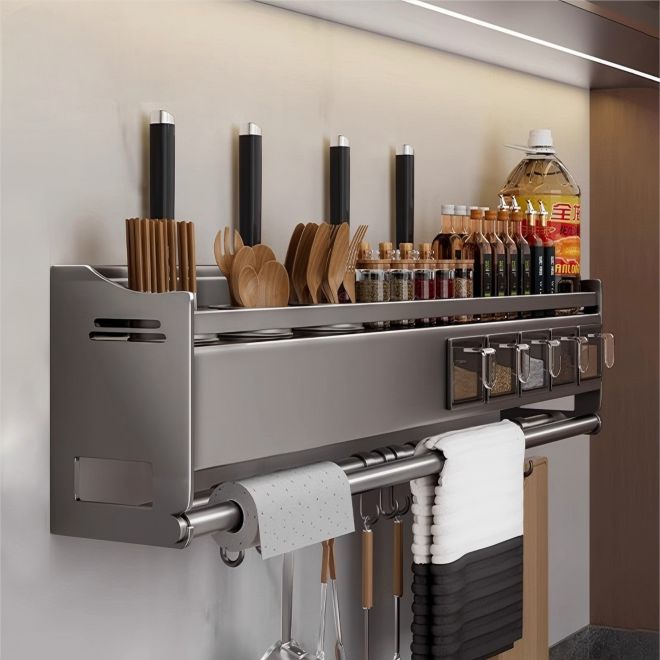
Keep utensils away from hot backsplashes and ovens. Use wall racks and holders that separate tools from direct heat and grease.
- Mount racks away from burners
- Use closed or lidded holders
- Clean racks often to remove oil film
🧼 Cleaning and Maintenance Tips for Long‑Lasting Heat Resistant Tools
Good cleaning habits help tools keep their shape, color, and grip. Gentle care also protects coatings and safe finishes.
1. Daily Cleaning Basics
Wash tools soon after cooking so oil and sauces do not harden. Use mild soap and soft sponges to avoid scratching surfaces.
- Rinse off food before it dries
- Avoid steel wool on silicone or wood
- Let tools dry fully before storage
2. Deep Cleaning for Stains and Odors
For strong smells, soak silicone briefly in warm water with baking soda. Gently scrub and rinse well to bring back a fresh surface.
- Use baking soda for stains
- White vinegar helps remove odors
- Do not soak wood for long periods
3. Storage That Protects Shape and Edges
Store tools so they do not bend or crush one another. Use racks and holders to keep handles dry and heads neat.
| Storage Method | Benefit |
|---|---|
| Utensil rack | Air dries, easy reach |
| Drawer tray | Protects edges |
| Wall hooks | Saves counter space |
🏷️ Choosing Reliable Heat Resistant Tools from Wenhai Home
Wenhai Home focuses on sturdy, organized kitchen setups. Smart storage keeps heat resistant tools close, clean, and safe from damage.
1. Smart Magnetic and Countertop Storage
Use the Magnetic Knife Holder with Lid & Utensil Rack, Carbon Steel for Wall & Countertop to keep metal tools and knives secure, covered, and away from direct heat.
2. Keep Spices and Tools Ready for High‑Heat Cooking
The Wall-Mounted Spice Rack, Multi-Functional Storage, Gray Carbon Steel, Kitchen places seasonings near your range so you can cook quickly without leaving hot pans unattended.
3. Organized Racks for Lids, Boards, and Larger Tools
The Kitchen gray pot lid rack storage overhead room aluminum kitchen rack chopping board rack keeps lids, trays, and boards off hot counters, reducing clutter and heat damage risks.
Conclusion
Heat resistant kitchen tools protect you, your cookware, and your food. Match tools to the right temperatures, and choose safer materials for daily tasks.
With Wenhai Home storage solutions, you can keep spatulas, tongs, knives, and lids organized, clean, and away from direct heat for longer, safer use.
Frequently Asked Questions about kitchen accessories
1. How do I know if a kitchen tool is truly heat resistant?
Check the product label or description for a clear maximum temperature in °C or °F. Avoid tools that only say “heat proof” without exact numbers.
2. Are silicone utensils safe for high‑heat cooking?
Food‑grade silicone is usually safe up to about 260°C / 500°F. Do not leave it resting in very hot dry pans or directly on metal coils.
3. Can stainless steel tools damage nonstick pans?
Yes. Stainless steel can scratch coatings, so use silicone or wooden tools on nonstick. Reserve stainless for cast iron, carbon steel, and stainless pans.
4. How should I store my heat resistant tools?
Store tools on racks, in holders, or on wall systems. Keep them away from open flames, oven vents, and hot backsplashes to prevent warping.
5. When should I replace heat resistant utensils?
Replace tools that show cracks, peeling, strong odors when heated, warped heads, or sticky surfaces that do not clean up fully anymore.
 Privacy settings