





Your fridge looks like a science experiment, with mystery leftovers in stained plastic and heavy glass bowls threatening your toes. You just want safe, simple food storage that doesn’t crack, warp, or smell like last week’s garlic.
To fix this, choose storage based on safety, durability, and reuse. Studies show glass doesn’t leach chemicals into food, unlike some plastics (WHO report). Mix glass for reheating and long-term storage with safer, BPA-free plastic for lightweight carrying.
🍱 Health and Safety: Chemical Concerns in Plastic vs Glass Containers
Health and safety matter most when food touches storage containers. Glass is non-porous and stable, while some plastics may release chemicals, especially under heat or long use.
Choosing the right material helps protect your family from unwanted substances, keeps flavors pure, and reduces risk when reheating or storing acidic or oily foods.
1. Chemical Leaching Risks
Older or low‑quality plastic can leach chemicals into food, especially when heated. Glass does not leach, making it safer for hot, acidic, or oily meals.
- Check “BPA‑free” and food‑grade labels on plastic.
- Avoid heating food in cracked or cloudy plastic containers.
- Use glass for long storage to lower risk.
2. Odor and Stain Retention
Plastic can absorb oil, color, and smell from strong foods like curry or tomato sauce. Glass stays clear and does not keep odors or stains.
| Material | Odor Retention | Stain Risk |
|---|---|---|
| Glass | Very low | Very low |
| Plastic | High over time | High with colored foods |
3. Safety with Baby and Sensitive Diets
For babies, pregnant people, or sensitive diets, glass is often the safer choice because it is inert and easy to clean fully.
- Store purees and breast milk in glass when possible.
- Use tight glass lids to avoid smell transfer.
- Keep labels with dates for safe use.
4. Food Allergy and Cross-Contamination
Because plastic can hold traces of old food, it may keep small allergy risks. Glass cleans more fully and lowers cross‑contamination issues.
- Use glass for nut‑free or gluten‑free storage.
- Assign fixed containers for key allergens.
- Wash with hot water and mild soap after each use.
🌿 Environmental Impact: Reusability, Recycling, and Long-Term Waste Reduction
Glass offers higher durability and better recycling, while plastic is light but often single‑use. Your choice affects landfill waste, energy use, and home clutter.
By picking reusable glass and sturdy metal organizers, you cut trash, save money, and keep your kitchen clean and efficient over the long term.
1. Reuse Cycles and Lifespan
Glass containers can last for many years if you avoid drops. Thicker, quality plastic may last, but it often scratches and needs earlier replacement.
| Material | Average Reuse Cycles |
|---|---|
| Glass | 500+ with care |
| Plastic | 50–200 depending on quality |
2. Recycling Rates and Energy Use
Glass is widely recyclable and keeps quality after many loops. Some plastics are recyclable, but sorting is hard and total recycling rates stay low.
- Check local rules for glass and plastic codes.
- Choose fewer types of plastic to simplify sorting.
- Reuse jars before sending them to recycle bins.
3. Household Waste Reduction Data
Switching to sturdy glass and metal racks reduces broken items and single‑use packaging. The sample chart below compares estimated yearly container waste.
4. Role of Metal Racks and Organizers
Durable metal racks support both glass and plastic use, raising airflow and visibility so you waste less food and use every container you own.
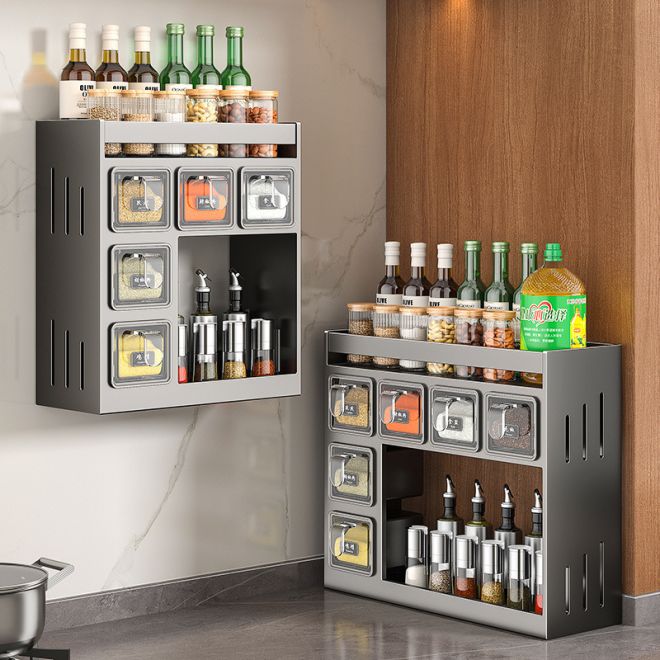
- Wall-mounted, drilling-free storage rack, detachable, made of carbon steel, lightweight and durable keeps containers accessible and off counters.
- Better order means fewer forgotten leftovers and less trash.
🔥 Heat Resistance: Oven, Microwave, and Dishwasher Performance Compared
Glass handles high heat well and suits oven use. Many plastics handle only lower heat, so you must check labels before cooking or reheating.
Matching the material to the appliance prevents warping, melting, and chemical release, while also protecting your food taste and texture.
1. Oven and Broiler Use
Most tempered glass containers are oven‑safe but not for direct flame or broilers. Plastic should never go in conventional ovens due to melting risks.
- Verify “oven‑safe” mark on glass dishes.
- Leave space for heat expansion and avoid sudden temperature shocks.
2. Microwave Safety
Glass is excellent for microwaves and does not warp. Only microwave‑safe plastic should be used, and even then, shorter heating times are safer.
| Material | Microwave Use |
|---|---|
| Glass | Very good, even heating |
| Microwave‑safe plastic | Limited, avoid long high heat |
3. Dishwasher Durability
Glass tolerates hot dishwasher cycles and dries clean. Plastic may warp on high heat and can hold detergent smell, so use the top rack if possible.
- Place glass on lower racks for better cleaning.
- Keep lighter plastic on top racks and use gentle cycles.
🚗 Everyday Convenience: Weight, Portability, and Leak-Proof Food Storage Needs
Plastic wins on weight and impact resistance. Glass feels heavier but gives better safety and food quality for home and office storage.
The best choice often mixes both: glass for main meals at home and stronger plastic for travel, snacks, and kids’ lunches.
1. Weight and Carrying Comfort
Plastic containers are light and easy to pack into bags or backpacks. Glass adds weight but gives a solid, premium feel on the table.
| Container | Relative Weight |
|---|---|
| Plastic (medium) | Light |
| Glass (medium) | About 2–3× heavier |
2. Leak-Proof and Odor Control
Both glass and plastic can be leak‑proof if the lid seals well. Glass with silicone seals often locks in smells better and avoids color transfer.
- Check lids for rubber or silicone rings.
- Test with water before packing soups or sauces.
3. Breakage, Scratches, and Longevity on the Go
Glass can break if dropped, but it resists scratches. Plastic survives bumps but may scratch and cloud over time, which shortens its life.
- Use plastic for hiking and kids’ bags.
- Keep glass for office fridges or home storage.
🏠 Kitchen Organization: Visibility, Stacking, and Why Wenhai Home Is Recommended
Clear glass makes it easy to see leftovers, while smart racks and shelves keep containers tidy, stacked, and always in reach.
Combining glass, quality plastic, and sturdy metal organizers turns any kitchen into an efficient, neat space with less waste and faster meal prep.
1. Visibility and Easy Access
Glass containers show contents at a glance, so you use food before it spoils. This supports meal planning and cuts last‑minute food delivery costs.
- Store cooked food at eye level in the fridge.
- Label lids with dates for quick checks.
2. Vertical Storage and Wall Space
Wall racks clear counters and let you use vertical space wisely. They keep spices, lids, and tools near where you cook and serve.
- Kitchen gray pot lid rack storage overhead room aluminum kitchen rack chopping board rack helps control bulky lids and boards.
- Wall-Mounted Spice Rack, Multi-Functional Storage, Gray Carbon Steel, Kitchen organizes spices close to your stove.
3. Why Wenhai Home Solutions Fit Glass and Plastic
Wenhai Home racks handle the weight of glass and the light size of plastic. Strong carbon steel designs support stable stacking and daily use.
| Feature | Benefit |
|---|---|
| Strong metal build | Holds heavy glass safely |
| Wall‑mounted options | Frees counter and cabinet space |
| Open design | Improves airflow and visibility |
Conclusion
Glass is safer for health, heat, and long‑term use, while plastic adds light weight and travel ease. Most homes benefit from a mix of both.
Add sturdy metal racks and wall‑mounted organizers to support your containers. This blend keeps food safer, kitchens clearer, and daily cooking simpler and faster.
Frequently Asked Questions about kitchen supplies
1. Should I replace all my plastic containers with glass?
You do not need to replace everything at once. Start with containers used for hot, oily, or baby food, then slowly switch others as they wear out.
2. Can all glass containers go in the oven?
No. Only tempered, oven‑safe glass should go in the oven. Check the manufacturer label and avoid sudden temperature changes that can cause cracks.
3. How often should I replace plastic food containers?
Replace them when they become cloudy, warped, cracked, or scratched. These signs show aging plastic that may hold smells, stains, or unwanted chemicals.
4. What is the best way to store lids and cutting boards?
Use a wall‑mounted or overhead rack to keep them upright and easy to grab. This saves cabinet space and stops lids from sliding everywhere.
5. Are metal kitchen racks safe for heavy glass jars?
Yes, if they use strong steel and proper wall mounting. Always follow weight limits and install into solid walls or use safe support anchors.
 Privacy settings